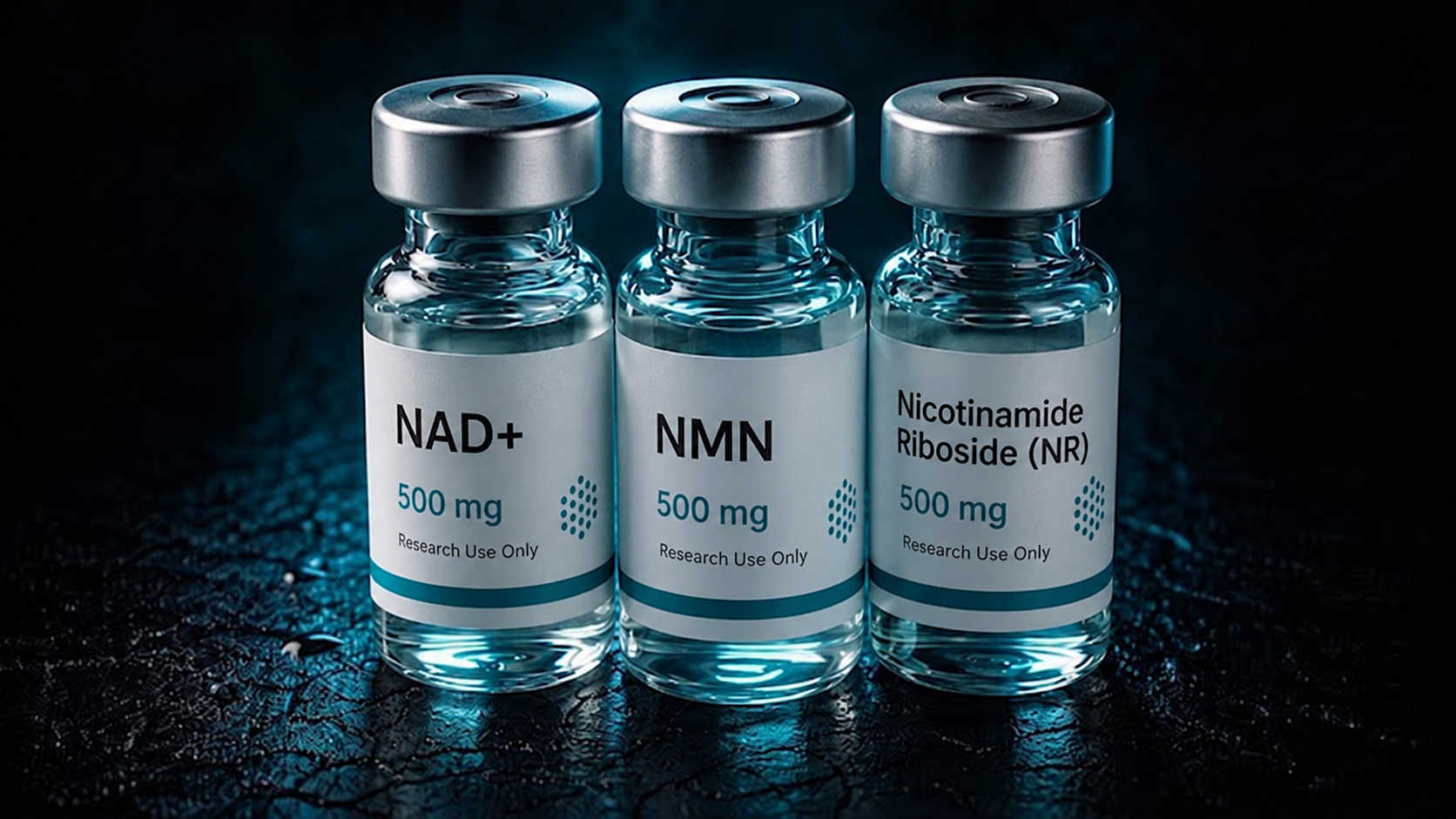
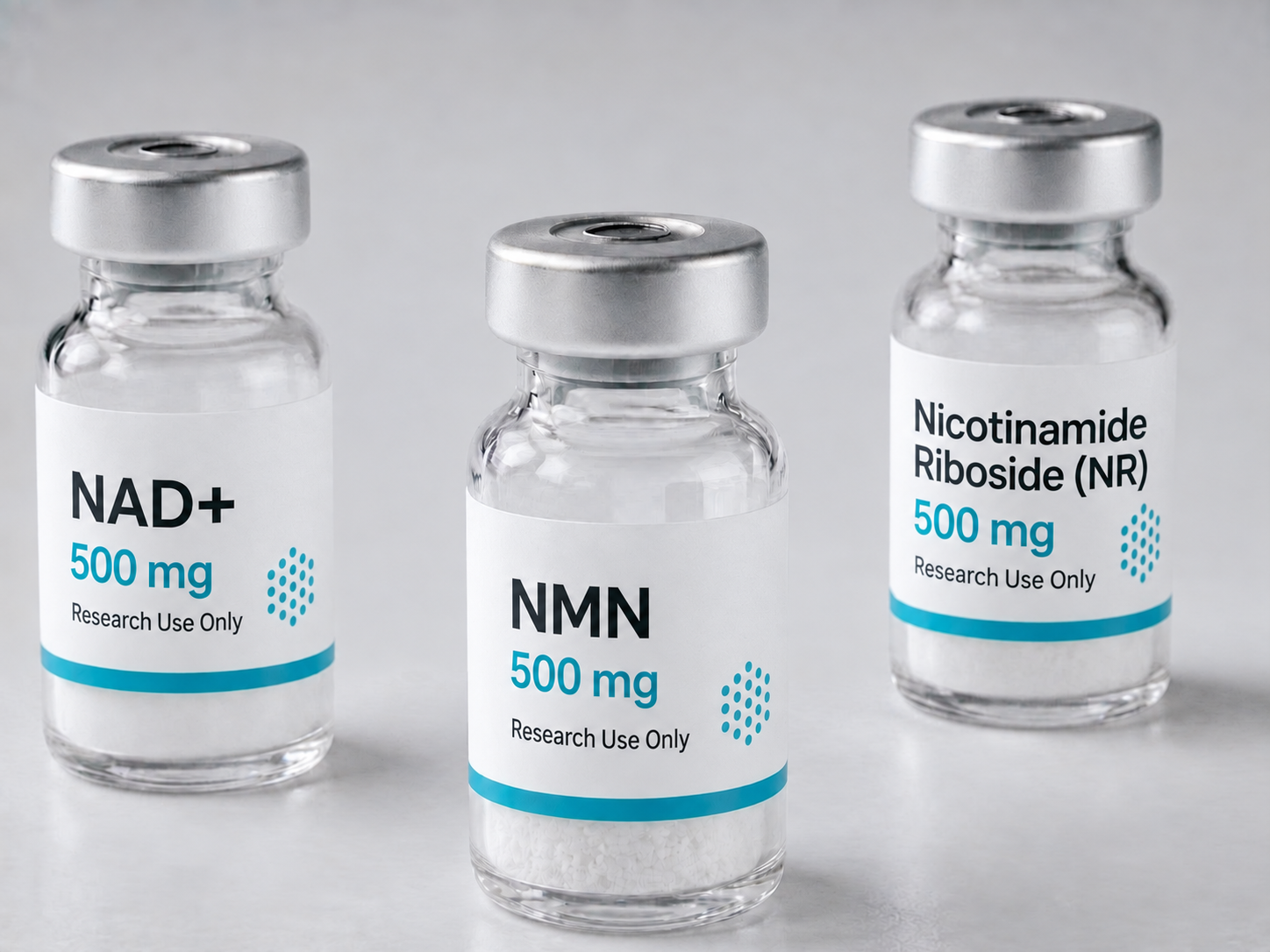
Because a drug company filed an investigational new drug application for it before anyone filed the supplement paperwork. Under the 1994 DSHEA drug preclusion clause, that excludes an ingredient from the supplement definition. NMN was excluded on 4 November 2022 and reinstated in September 2025, and is lawfully marketable in the United States as of September 2026.
This is the part of the page with no biology in it, and it affected more people than anything else here.
What the FDA actually said. In its own words, the agency "reconsidered and changed its interpretation of one aspect of 21 U.S.C. section 321(ff)(3)(B)" and determined that NMN is not excluded from the dietary supplement definition. It then set aside both of its 2022 letters. [5]
The reasoning was about timing rather than the rule itself: evidence showed NMN had been marketed as a dietary supplement in the United States as early as 2017, which preceded its authorisation for investigation as a new drug.
The sequence, with dates.
As of September 2026, NMN is lawfully marketable in the United States as a dietary supplement, subject to standard new dietary ingredient notification rules. [5]
The rule. Under the Dietary Supplement Health and Education Act of 1994, a substance that was first authorised for investigation as a new drug, before being marketed as a supplement, is excluded from the definition of a dietary supplement. The clause exists to stop companies rebranding drug candidates as supplements, and to protect the incentive to develop drugs. [5]
What triggered it. Metro International Biotech filed an investigational new drug application for MIB-626, a crystalline beta form of NMN, and that filing preceded any compliant new dietary ingredient notification from a supplement company. [5]
The company was co-founded by David Sinclair, the Harvard geneticist whose book and public work did more than anyone's to create demand for NMN in the first place. [11]
So the sequence runs in a loop. The researcher who popularised NMN co-founded the company whose drug filing removed it from US shelves.
The company then argued to keep it off. On 20 November 2023 Metro filed a twelve-page letter into the citizen petition docket, stating that it "agrees with FDA that NMN is rightly excluded from marketing as a dietary supplement" and that the agency "should not permit NMN products to be sold as a dietary supplement." [11]
Sinclair's own account is on the record. He has written that the FDA's decision was preceded by a letter from a company "I co-founded but do not manage or control", and that the point of the letter was that Metro had begun clinical trials with a stable crystalline form of NMN made under drug manufacturing standards. [11] Metro's president and chief scientific officer is David Livingston.
One detail complicates the simple version of this story. ChromaDex, the company that sells nicotinamide riboside, filed its own comments into the same docket also agreeing with the FDA that NMN should stay excluded. [11]
The pharmaceutical company developing NMN as a drug and the supplement company selling its main competitor argued for the same outcome. Charles Brenner, the most prominent public critic of Sinclair on this, researches nicotinamide riboside and has commercial ties to the company marketing it.
What happened. On 4 November 2022 the FDA issued Category 4 responses to two notifications, concluding NMN was excluded from the supplement definition. In March 2023 Amazon delisted every NMN product. The Natural Products Association filed a citizen petition, then sued the agency in August 2024. In September 2025 the FDA reversed itself in a 26-page letter, and Amazon restored listings in October. [5]
NR was never touched. It holds a new dietary ingredient notification and self-affirmed GRAS status dating to 2016, and has been sold continuously as Niagen throughout. [5]
Two molecules, two steps apart on the same pathway, and one spent three years unsellable. The difference came down to which company filed which piece of paper first, not to anything about the molecules.
Australia went the other way, and its rules are unusually specific. The TGA issued a safety alert in April 2025 confirming that NAD and NMN were not permitted ingredients in listed medicines. On 10 December 2025 it added NMN to the Permissible Ingredients Determination, making it lawful in listed complementary medicines for the first time. [6]
The conditions are unusually specific, and they are the tightest regulatory framing of any NAD+ precursor anywhere: